ABC Letter Tracing for Preschoolers Ages 3–5: 7 Fun Activities
Discover 7 fun ABC letter tracing activities for preschoolers ages 3–5, with simple handwriting practice ideas and printable alphabet worksheets.
Learning to write the alphabet is an exciting milestone, but preschool handwriting practice doesn't have to feel like a lesson.
With a few simple activities, children can discover letter shapes, practice controlling a crayon or pencil, and enjoy exploring the alphabet at their own pace.
If you're looking for ABC letter tracing activities for preschoolers ages 3–5, these seven ideas are easy to try at home. You can adapt them to your child's interests and use printable alphabet tracing worksheets whenever you're ready for a little more practice.
Why Try Alphabet Tracing With Preschoolers?
Before children begin writing words, they need opportunities to become familiar with how letters look and how their hands move when making marks.
Letter tracing offers a structured way to explore uppercase and lowercase letters. It also gives children opportunities to practice hand movements and become more comfortable using writing tools.
Remember that preschoolers develop at different rates. Some may be excited to trace letters, while others may prefer drawing, coloring, or finger-tracing first.
Keep the experience playful, encourage effort, and avoid expecting perfect handwriting.
1. Start With Finger Tracing
Before introducing a pencil, invite your child to trace a large letter using their finger.
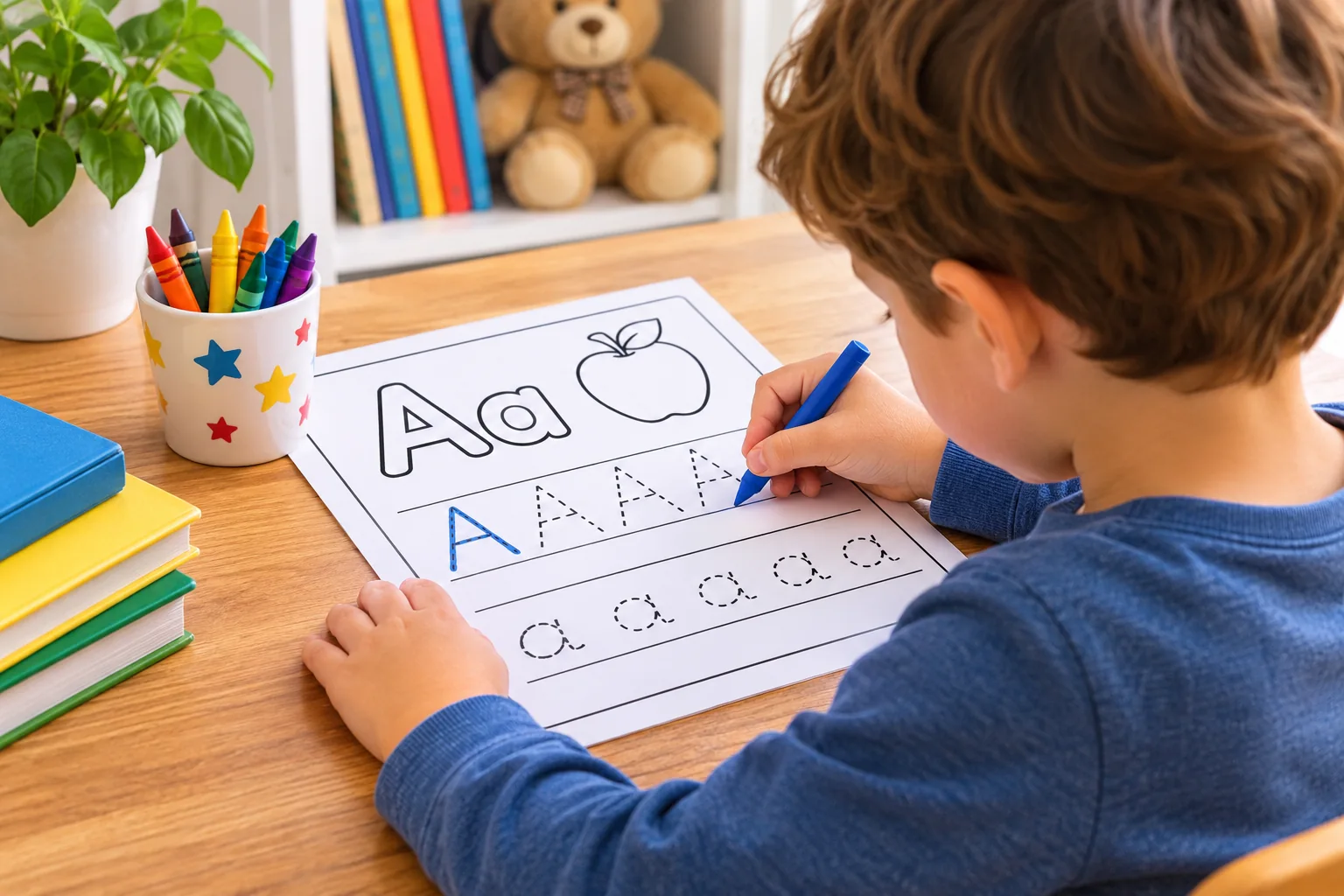
Write an uppercase A on a sheet of paper, or choose a printable worksheet with a large letter.
Show your child how to follow its shape, then let them try.
You can make this activity more interesting by using a tray of sand or another age-appropriate sensory material, with close supervision.
Try this: Begin with the first letter of your child's name. A familiar letter can make the activity feel more personal.
2. Practice One Letter at a Time
A whole alphabet can seem like a lot for a young beginner.
Instead, choose one letter and explore it together.
For example, introduce the letter B. Say its name, point out its shape, and let your child trace it a few times.
You could also look for familiar words or pictures beginning with that letter.
There's no need to rush from A to Z. Give your child time to become comfortable before moving on.
3. Discover Uppercase and Lowercase Letters
Children eventually need to recognize that letters have uppercase and lowercase forms.
Show a pair such as:
A a — B b — C c
Point to each form and explain that they represent the same letter.
Then invite your child to trace the uppercase version and try the lowercase one.
Some letter pairs look very different, so it's fine to introduce them gradually.
Fun idea: Write a large uppercase letter on one card and its lowercase partner on another. Let your child find the matching pair before tracing.
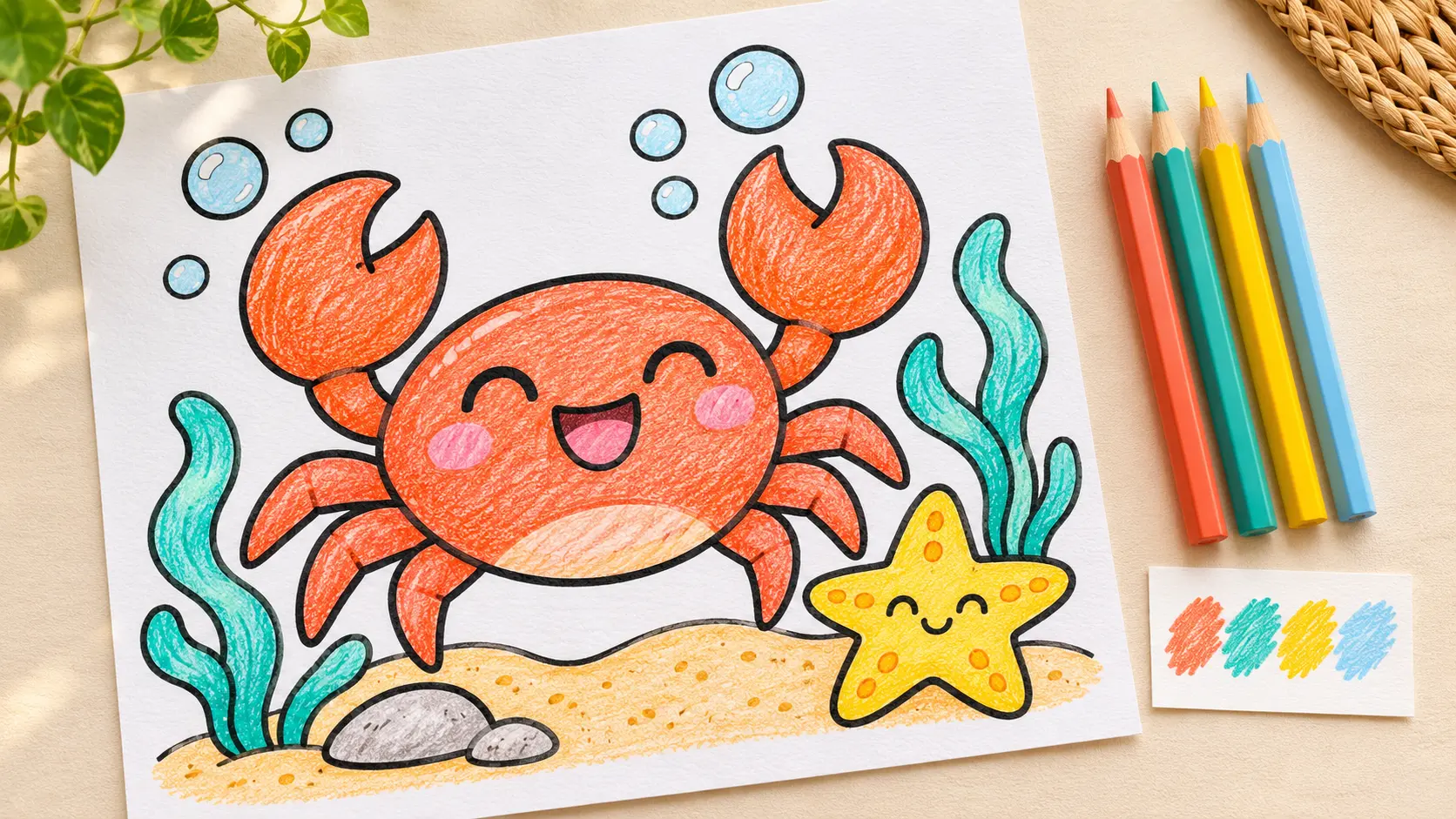
4. Combine Letter Tracing With Coloring
Many preschoolers enjoy coloring more than sitting down to write.
You can combine the two activities.
Choose a letter, trace it together, and then color a picture associated with it.
For example:
- A is for Apple: Trace A and color an apple.
- B is for Ball: Trace B and decorate a ball.
- C is for Cat: Trace C and color a friendly cat.
These examples are suggestions for your activity; you can use any suitable pictures.
Coloring gives children a fun change of pace between tracing exercises.
5. Go on an Alphabet Hunt
Turn everyday surroundings into an alphabet game.
Choose a letter and look for it together in books, on packaging, or among magnetic alphabet letters.
When your child spots the letter, celebrate the discovery.
Then return to your worksheet and invite them to trace the same letter.
For example, after finding the letter M in a favorite picture book, practice tracing M and m.
This activity connects the printed letters children see around them with the shapes they are learning to make.
6. Make a Little Alphabet Practice Routine
Consistency can be helpful, but long handwriting sessions aren't necessary for young children.
Try starting with a short activity of around five minutes, adjusting it to your child's attention and interest.
A simple routine could look like this:
- Look at the letter together.
- Say its name.
- Trace it with a finger.
- Trace it with a crayon or pencil.
- Finish with a drawing or a quick game.
If your child becomes tired or frustrated, stop and return to the activity another day.
The goal is positive, enjoyable practice—not completing every worksheet in one sitting.
7. Celebrate Every Little Achievement
Preschool handwriting doesn't need to look neat or consistent from the beginning.
Perhaps your child recognizes the first letter of their name, traces a curved line, or completes one row of letters.
These are all moments worth celebrating.
You can keep a folder of their worksheets or display a favorite tracing activity.
Looking back at their early attempts can be a lovely way to appreciate the progress they've made.
Tips for Using Printable Alphabet Tracing Worksheets
Printable alphabet worksheets can make it easier to prepare simple activities at home.
Here are a few tips before you begin:
Choose clear letter shapes. Large, uncluttered letters are easier for beginners to explore.
Offer comfortable writing tools. Use age-appropriate crayons or pencils that your child can hold comfortably.
Introduce both letter forms. Uppercase and lowercase practice helps children become familiar with different versions of the alphabet.
Keep the worksheet steady. A comfortable table and a stable sheet of paper can make practice easier.
Let your child set the pace. If tracing feels difficult, switch to drawing, coloring, or finger-tracing.
Make room for mistakes. Early handwriting is about exploration and practice, not perfection.
Discover the ABC Letter Tracing Workbook at MSK Printable
Looking for printable activities to help organize your preschooler's alphabet practice?
Explore the ABC Letter Tracing Workbook for Kids Ages 3–5 from MSK Printable.
This downloadable workbook includes:
- 26 printable pages for alphabet practice.
- Uppercase and lowercase letter tracing activities.
- A–Z handwriting practice for preschool beginners.
- Simple activities designed for children ages 3–5.
- A digital PDF you can download and print at home.
It's a convenient option for parents and caregivers who want structured alphabet activities without having to create worksheets from scratch.
Explore the ABC Letter Tracing Workbook for Ages 3–5
Please note: This is a paid digital PDF download, not a physical book shipped to your home.
Frequently Asked Questions
At what age should children start tracing letters?
Children develop writing readiness at different ages. Some three-year-olds enjoy exploring letters, while others may be more comfortable with drawing, coloring, or making simple lines and shapes.
Follow your child's interest and developmental readiness rather than a strict timetable.
Should preschoolers trace uppercase or lowercase letters first?
Both forms are useful. You can start with simple, familiar letters, such as the first letter of your child's name, and gradually introduce their uppercase and lowercase versions.
What if my child doesn't enjoy tracing?
Try a different approach. Finger-tracing, drawing in sand, coloring, or finding letters in picture books can provide other ways to explore letter shapes.
Avoid turning the activity into a struggle.
Final Thoughts
ABC letter tracing can be a fun part of early learning when children are given space to explore and practice at their own pace.
Start with one familiar letter, mix tracing with games and coloring, and celebrate small achievements.
With patience, encouragement, and enjoyable activities, learning the alphabet can become a positive part of your preschooler's routine.
Looking for another creative activity for younger children? Explore our 7 Easy Animal Coloring Activities for Toddlers Ages 2–4.
Happy tracing and happy learning!