Why Coloring Is Good for Kids: What the Research Says
Coloring is more than just a quiet activity. Explore how it helps with fine motor skills, attention, and emotional regulation, and learn how to start.
Why Coloring Is Good for Kids: What the Research Actually Says
Most parents know that coloring is a beneficial activity for children. What is less clear is exactly why it is helpful, and whether it makes a real difference in their development.
Recent research provides some clear answers. This article breaks down what the science says in simple terms, and explains how you can use coloring effectively at home.
What the Research Shows
The evidence for coloring is strongest in three specific areas of child development.
Fine Motor Skills
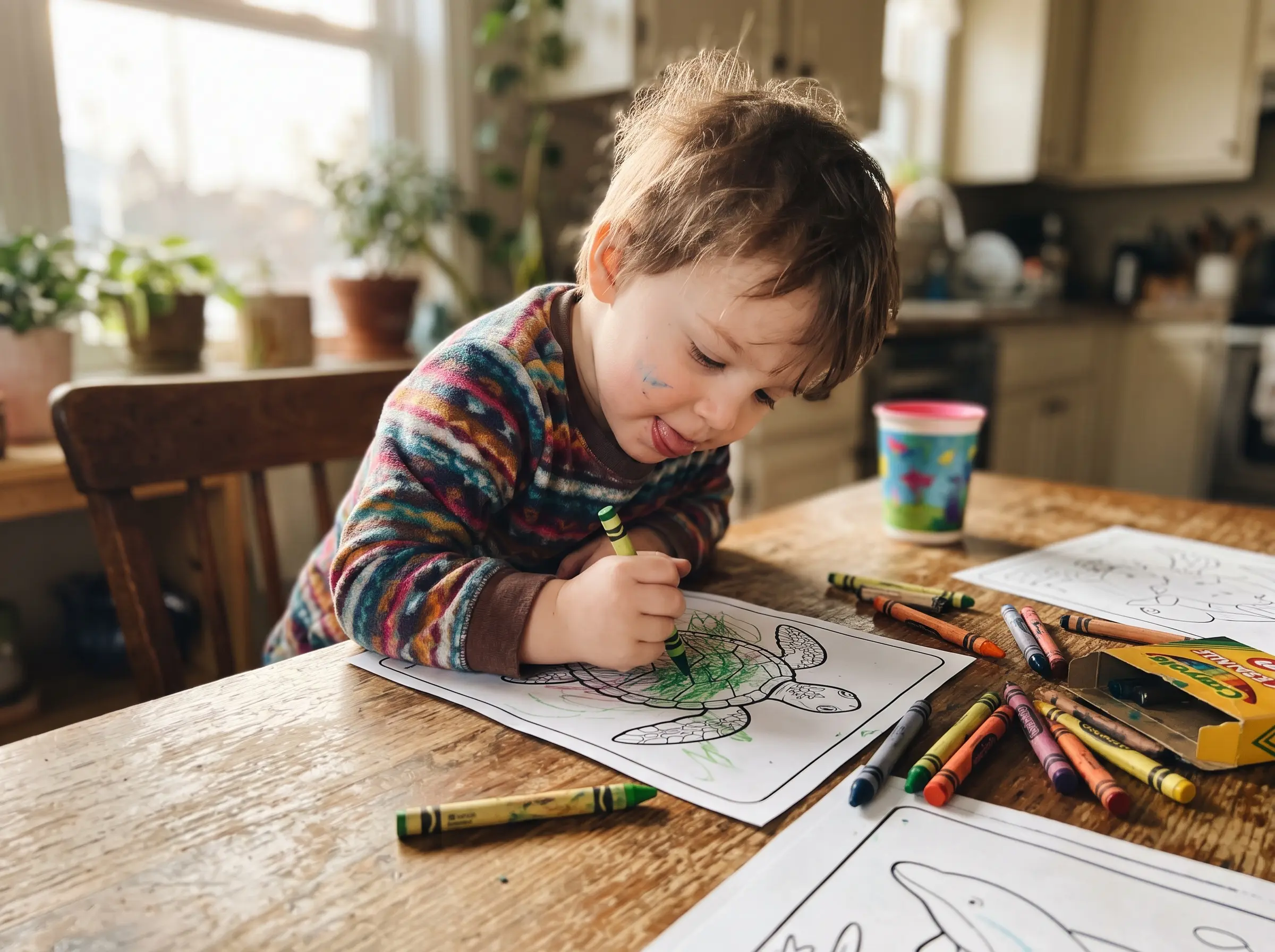
This is the most proven benefit. When a child holds a crayon and tries to stay within the lines of a drawing, they are building the small hand muscles needed for handwriting. Research confirms that coloring improves eye-hand coordination and hand movement control.
Attention and Focus
Structured coloring, such as coloring a specific page with defined shapes, helps children practice sustained attention. A blank piece of paper invites scribbling, but a defined coloring page gives the child a clear goal, helping them focus for longer periods.
Emotional Regulation
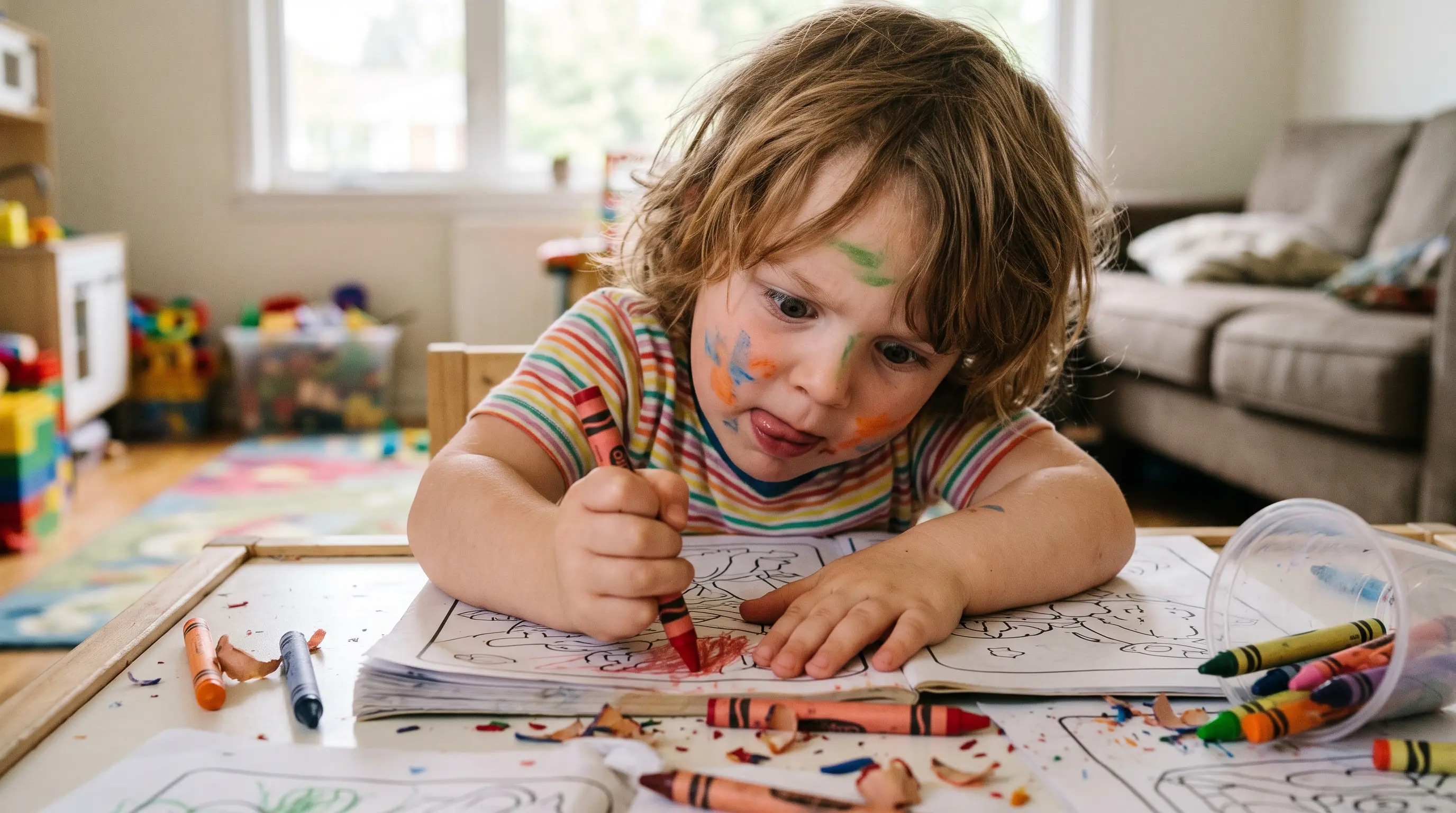
Research consistently links coloring to reduced stress and improved emotional well-being in children. The repetitive, low-pressure nature of coloring calms the nervous system. Studies have even shown that parent-child coloring can reduce anxiety in clinical settings.
What Coloring Cannot Do
It is important to be realistic. Coloring does not make children smarter in a general sense, and it does not replace structured learning, reading, or physical play. It is a valuable developmental tool, but it is not a substitute for a complete curriculum.
How to Start Coloring with Your Child
If you want to use coloring effectively, follow these simple principles:
- Choose structured pages. A page with defined shapes and clear subjects keeps their attention better than blank paper.
- Keep sessions short. Ten to fifteen minutes is enough for young children. Consistency matters more than long sessions.
- Let them choose the colors. Resist the urge to correct their color choices. A purple pumpkin is perfectly fine, and making choices builds their confidence.
- Color alongside them. The strongest research findings involve parent-child interaction. Sit down and color a page yourself while they color theirs.
- Match the page to their age. Toddlers need thick lines and large shapes. Preschoolers can handle slightly more detail. If a page is too complex, they will lose interest.
A Page to Start With
If you are looking for an age-appropriate page to begin with, consider the following options:
- Toddlers (Ages 2-4): Large, simple animal shapes with bold outlines. Explore our guide on animal coloring activities for toddlers.
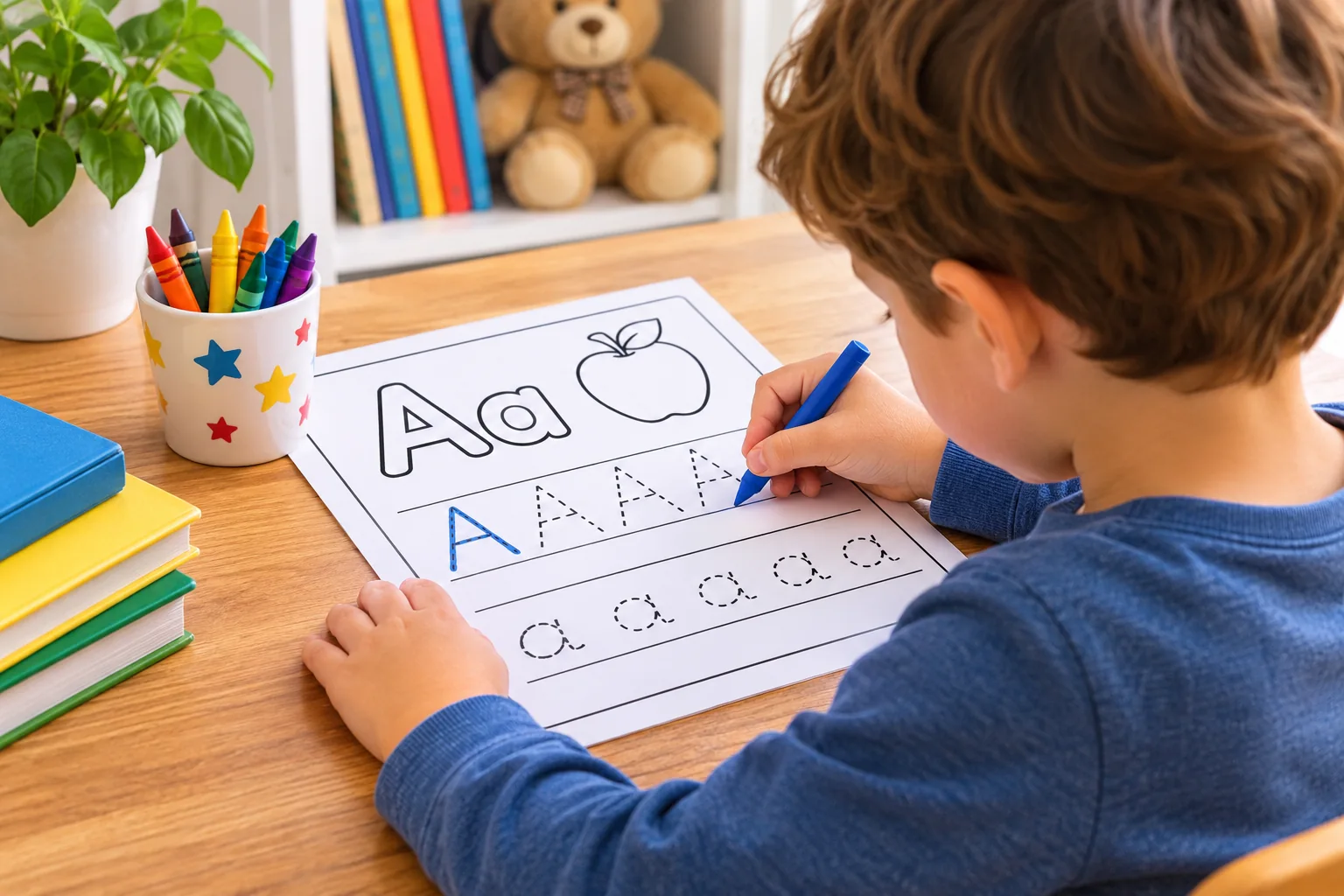
- Preschoolers (Ages 3-5): Simple letters and shapes. Explore our ABC letter tracing for preschoolers.
- Older Kids and Adults: Detailed designs with more room for color choices. Explore our fairy house coloring ideas for adults.
All printable pages should be checked for paper size and print settings before printing. Our guide on how to print coloring pages at home covers paper choices and printer settings in more detail.
For your first session, keep the goal simple: print one page, provide a few crayons, and sit down together. That is all it takes to start.